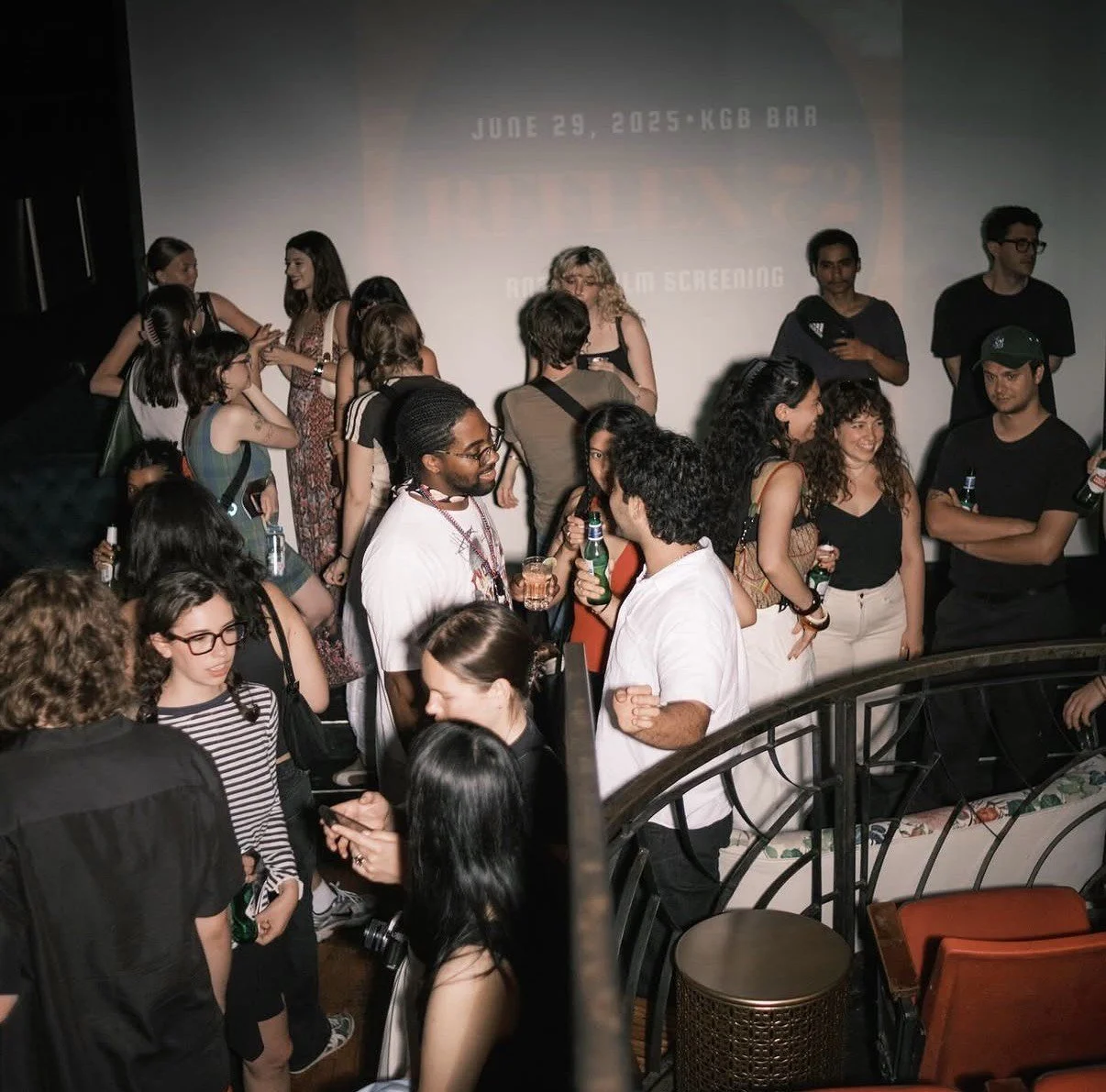
The films end, the lights come up, and nobody leaves. This is the part of the screening I can’t program: the conversations had, the connections made, and the people who linger till the bar kicks us out.
I began Reflex 72 with a friend of mine back in the spring of 2025, after being in awe of the work my peers had been making on 16mm coupled with my growing disdain for the bureaucracy of the modern film industry. I wanted early career artists like myself and my peers to have our work platformed and celebrated outside of the traditional festival circuit. I wanted a space for analog formats to have their renaissance, I wanted to meet new collaborators, and I wanted to have fun. So every other month we came up with a theme, opened submissions through Instagram, and shoved as many people as we could into KGB Bar, and thus was the birth of Reflex.
I’ve hosted nine events now, four on my own, and while the cadence of the evening remains the same, I find myself observing something larger within these screenings that is separate from the art itself: the social interactions unfolding. What I’m noticing is a growing thirst for real connection in a generation that is exhausted by the digital age, and we’re seeking it by immersing ourselves in the mediums of the past.
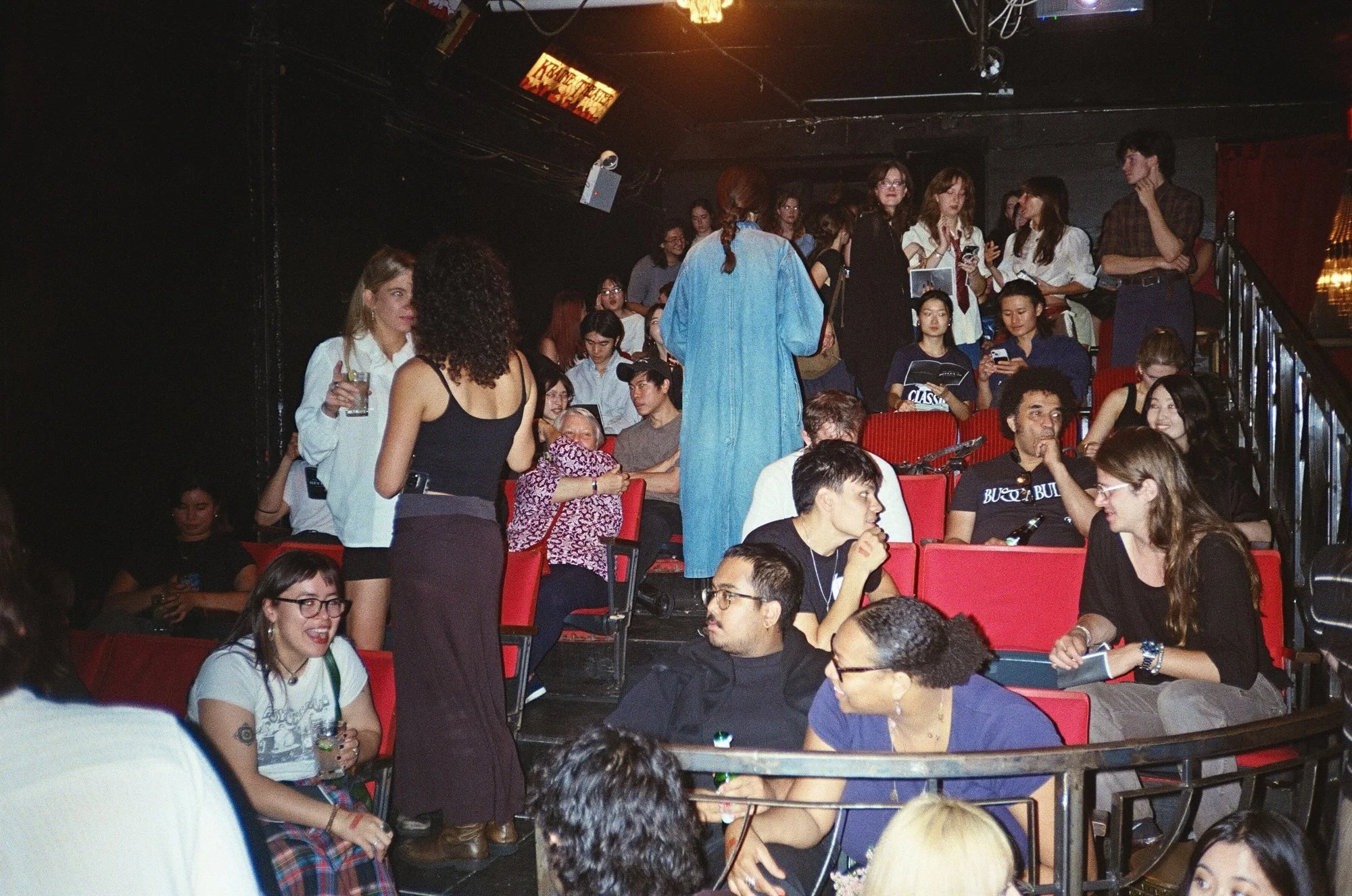
The deeper our culture delves into a state of mass surveillance, the more we want to escape the digital panopticon and find real meaning within each other. I was initially drawn to analog filmmaking for its aesthetics, but as I began using these cameras, I became fascinated by the technicality of it. They were built to last and built for experimentation. The care and intention that goes into shooting on film is the same type of energy that goes into building a relationship. We can’t stop the advancements that plague our society, but going back to analog is not about reversing time. It’s about stopping it for a moment.
There is a recurring theme that I’m seeing in my generation of defiance against the structures that bind us. The old systems of the film industry no longer represent the reality for most artists. You need resources to get ahead, and rather than staying stuck in this collective loop of accepting this sentiment as “reality,” I believe in dismantling that notion, even with an act as small as creating a platform of your own. We should change the systems that built these barriers, not uphold them, and the only way that can be done is through connection.
Reflex is a small piece of a larger puzzle: reshaping the way we celebrate film, filmmakers, and human connection. The films are the reason people come. The camaraderie is why they stay.
Alissa Xhixhabesi is an Albanian-American filmmaker based in New York City who works primarily with analog formats, including 16mm, Super 8, and MiniDV. She holds an MA in Media Studies from The New School, where she focused on filmmaking, media archiving, and analog camera operation. As a founder of Reflex 72, a bimonthly film screening series showcasing work shot on film and tape-based formats, she is committed to preserving the art of analog filmmaking and amplifying the voices of the next generation of filmmakers.